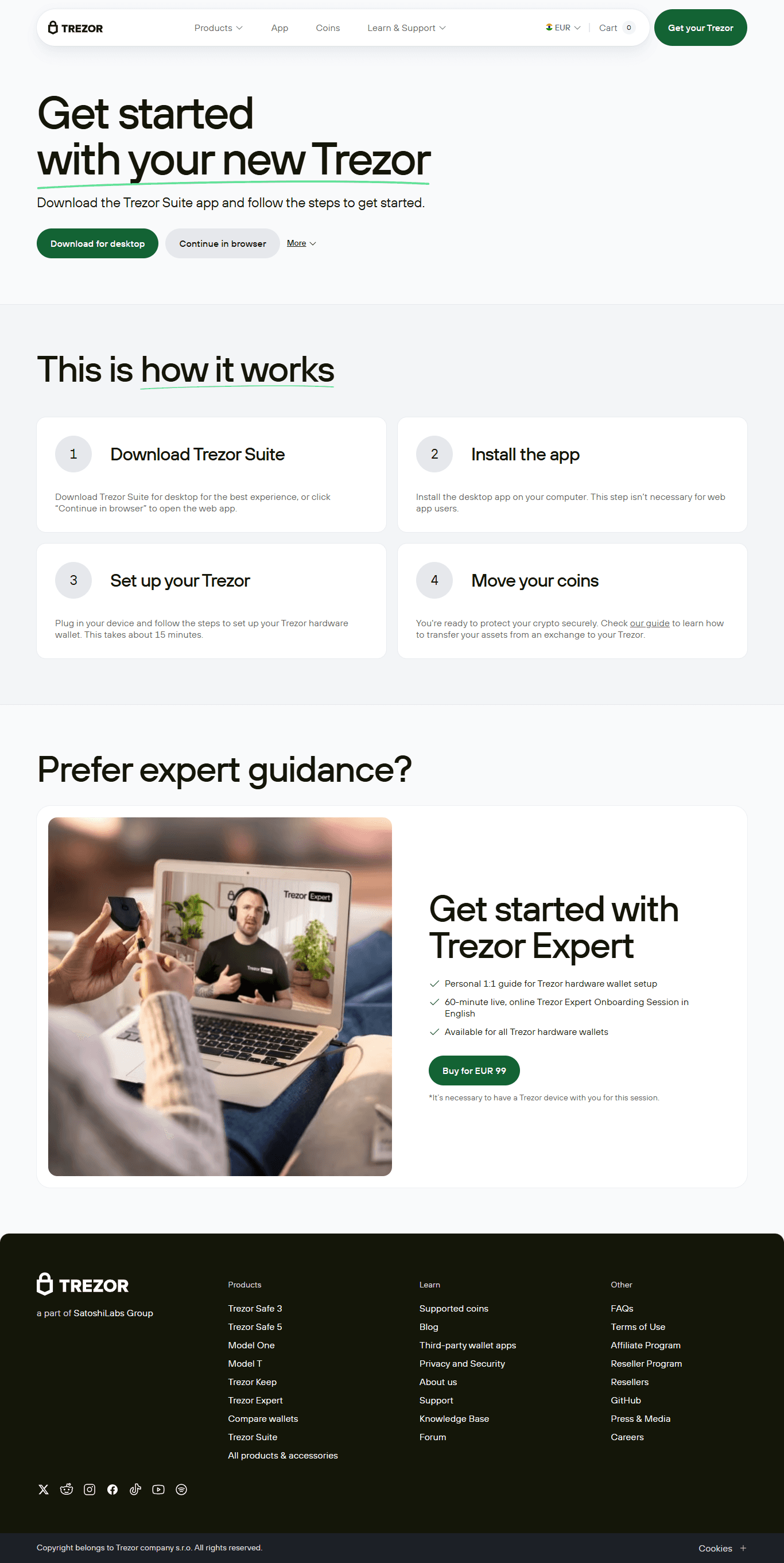
Trezor.io/start: How to Get Started with Your Hardware Wallet
If you’ve just bought a Trezor hardware wallet, congratulations! You’ve taken an important step toward keeping your cryptocurrency safe. With hacking, phishing scams, and malware threats on the rise, a hardware wallet is one of the safest ways to store digital assets. The first thing you need to do is visit Trezor.io/start, the official portal that guides you through setup, security, and wallet management.
This guide will explain what Trezor is, why it matters, and exactly what you should do at Trezor.io/start to secure your crypto.
What is Trezor?
Trezor is a hardware wallet, a small device designed to store your cryptocurrency private keys offline. Unlike online or software wallets, which can be hacked, Trezor keeps your private keys in a secure, offline environment. This makes it almost impossible for hackers to access your funds remotely.
Trezor supports a wide range of cryptocurrencies, including Bitcoin, Ethereum, Litecoin, and many others. It also works with various crypto apps, letting you send, receive, and monitor assets easily and safely.
Why Use Trezor?
Strong Security – Your private keys never leave the device. Even if your computer or phone is compromised, your funds remain safe.
Beginner-Friendly – Trezor.io/start provides step-by-step instructions, making setup simple, even for first-time crypto users.
Recovery Options – A 24-word recovery seed lets you restore your wallet if the device is lost or damaged.
Open-Source Transparency – Trezor’s software is open-source, so anyone can verify that it’s secure.
How to Use Trezor.io/start
Trezor.io/start is the official website for initializing and managing your Trezor wallet. It walks you through the process from connecting your device to sending cryptocurrency securely.
Step 1: Connect Your Device
Start by plugging your Trezor into your computer via USB. Certain models also allow connection to mobile devices with USB-C or OTG. This is the first step in linking your device to Trezor’s software.
Step 2: Install Trezor Software
You need software to communicate with your Trezor device. You have two options:
Trezor Bridge: A lightweight program that lets your browser interact securely with the device.
Trezor Suite: A desktop app that offers advanced wallet management, transaction monitoring, and firmware updates.
Trezor.io/start provides clear instructions and download links for both options.
Step 3: Initialize Your Wallet
Next, you either create a new wallet or recover an existing one:
Create a New Wallet: Generates a new wallet with a unique 24-word recovery seed.
Recover an Existing Wallet: Restore your wallet using a previously saved recovery seed.
Write down your recovery seed and store it safely. Never take a screenshot or save it digitally—anyone with this seed can access your funds.
Step 4: Set a PIN
For added security, Trezor requires you to set a PIN. This PIN protects your wallet from unauthorized access, even if someone physically obtains your device.
Step 5: Update Firmware
Firmware updates are essential for keeping your device secure and functional. Trezor.io/start guides you through checking for and installing the latest firmware, which protects against vulnerabilities and adds new features.
Using Trezor to Manage Crypto
After setup, you can use Trezor to:
Send and Receive Cryptocurrency: Transactions are signed inside the device, keeping your keys secure.
Monitor Your Portfolio: Trezor Suite or compatible web wallets allow you to track all your holdings.
Swap Coins: Some Trezor models integrate with exchanges for secure cryptocurrency swaps.
Best Security Practices
Trezor.io/start emphasizes important safety steps:
Never Share Your Recovery Seed: Treat it like cash. If someone gets it, they control your funds.
Use Official Sites Only: Avoid phishing scams by sticking to Trezor’s official website and apps.
Enable Passphrase Protection: Adds a 25th word to your recovery seed for extra security.
Keep Firmware Updated: Regular updates prevent security risks.
Who Should Use Trezor?
Trezor is suitable for a variety of users:
Beginners: Easy-to-follow setup and guidance from Trezor.io/start.
Investors: Hardware wallets protect large crypto holdings.
Frequent Traders: Secure storage for funds between trades.
Tech Enthusiasts: Open-source firmware allows security verification by users.
Trezor vs. Software Wallets
Software wallets are convenient but vulnerable to hacks. Trezor offers:
Offline storage for private keys
Protection against malware and phishing
Multi-cryptocurrency support
Transparent, auditable security
By storing keys offline, Trezor provides far stronger protection than software wallets alone.
Why Trezor.io/start Matters
The setup process is critical. Any mistakes in initializing, storing your recovery seed, or setting up security could put your funds at risk. Trezor.io/start ensures you follow every step safely. From plugging in your device to managing transactions, it acts as a complete guide for both beginners and experienced users.
Conclusion
Starting your crypto journey safely begins with Trezor.io/start. This portal makes setup simple, ensures your funds are protected, and teaches you how to use your device effectively.
Whether you’re new to cryptocurrency or managing significant holdings, a Trezor hardware wallet combined with careful use of Trezor.io/start gives you confidence that your digital assets are safe from online threats.
By following the instructions at Trezor.io/start, you’re not just setting up a device—you’re taking control of your financial future in the digital world.